News
International Activities
- From the International Exchange Center2026/09/15New
- From the International Exchange Center2026/09/01
Overseas Training Report
Our Experience at the International Summer School at Tsinghua University - From the International Exchange Center2026/07/24
- From the International Exchange Center2026/07/24
- From the International Exchange Center2026/06/26
- From the International Exchange Center2026/06/26
- From the International Exchange Center2026/05/29
Visit by the Vice President of the University of Bremen Marks Further Strengthening of Collaboration
- From the International Exchange Center2026/05/15
Click here for past international exchange activities
- 2025 school year
- 2024 school year
- 2023 school year
- 2022 school year
- 2021 school year
- 2020 school year
- 2019 school year
- 2018 school year
- 2017-2007 school year
2026
Overseas study report: Summer program at Mahidol University, Thailand 2026 “The Student Exchange Program”
Aug 17-28, 2026
From August 17 to 28, 2026, four third-year undergraduate students of us participated in a short-term study program organized by the Faculty of Medicine Ramathibodi Hospital, Mahidol University Ramathibodi School of Nursing in Thailand.
During the program, we attended a lot of lectures given by professors of the Mahidol University faculty about Thailand’s healthcare system, care for older adults, and palliative care. We also visited Ramathibodi Hospital and other healthcare facilities, participated in simulation-based training, and experienced workshops using virtual reality (VR) for physical assessment and emergency care.
Through interactions with Mahidol University students and other international participants, we also had opportunities to learn about differences in healthcare, nursing, and culture across countries and regions.
As third-year students who had already learned a foundation of professional nursing knowledge and begun clinical training, we could connect what we had learned at the University of Osaka with the nursing practices we observed in clinical settings in Thailand.
2026 program PDFReflections from each participant are provided below.
Reflections on Lectures and Hospital Ward Visits
I realized that while much of the nursing knowledge and perspectives we have learned at the University of Osaka are shared across national borders, the way nursing is practiced is deeply connected to people’s culture, lifestyles, society, and healthcare systems. Experiencing clinical settings in Thailand firsthand reminded me that nursing is rooted in people’s everyday lives and should be practiced with an understanding of how they live.Through this program, I also gained confidence that what I have learned can be applied beyond Japan, while gaining a new perspective on my own learning.

VR and Simulation-Based Education
It was exciting and valuable to experience a variety of scenarios using VR that simulated real clinical situations, including physical assessment, cardiopulmonary resuscitation (CPR), and disaster triage. I found great value in VR-based learning because patients’ conditions could be realistically simulated, allowing us to practice repeatedly in a safe environment and objectively reflect on our skills after each attempt. This experience made me realize the importance of not only acquiring knowledge but also learning through hands-on practice in realistic clinical scenarios.
Interaction and Communication Among Participating Students
At first, I was nervous about communicating in English, but as the other students helped keep conversations going, I gradually became more comfortable and began to enjoy interacting with them. We taught each other about our languages and cultures and exchanged perspectives on nursing education, clinical training, and nursing practice by students. These conversations provided me with new perspectives and inspiration. I realized that even without complete confidence in English, having the courage to communicate with others can open up a much wider world.
Daily Life in Thailand and Cultural Exchange
During the program, we shared meals with our local student buddies and visited places such as the historic city of Ayutthaya and Buddhist temples on the weekends, which gave us opportunities to learn about Thai food, history, and culture. Thanks to the support of local buddy students, we experienced Thai culture and everyday life firsthand and felt at ease even in an unfamiliar environment.During the cultural presentations by each university, all participants also joined us in performing Bon Odori, a traditional Japanese dance. It was especially memorable to see everyone enjoying Japanese culture together.

Looking Back on the Program
Through this program, we learned about Thailand’s healthcare system and gained new perspectives on our future careers as healthcare professionals through interactions with students from different countries and regions. The experiences and connections we gained during these two weeks have broadened our perspectives and inspired us to continue learning with a more global outlook.
We would like to express our sincere gratitude to everyone at the University of Osaka and the Faculty of Medicine Ramathibodi Hospital, Mahidol University Ramathibodi School of Nursing, as well as the healthcare professionals at the hospitals and the local student buddies who supported us throughout the program.

Welcome Ceremony

Simulation Lab

Cultural Exchange – Bon Dance

Palliative Care Unit

VR Practice

CPR Workshop

Presentation on Elderly Care in Society

Farewell Ceremony
Overseas Training Report
Our Experience at the International Summer School at Tsinghua University
July 4–17, 2026
With the support of Tsinghua University, we, two graduate students from the Division of Health Sciences, Graduate School of Medicine, had the opportunity to participate in the two-week International Summer School at Tsinghua University. Through lectures by faculty members and interactions with students from diverse backgrounds, we were able to deepen our understanding of public health from an international perspective.
During the program, we attended a wide range of lectures on public health, including Climate and Health, AI for Public Health, Policy Evaluation, and Global Aging & Long-Term Care. We also had the opportunity to hear from representatives of UNICEF China and visit companies and institutions such as the SINOVAC and Beijing University of Chinese Medicine.
We also participated in group work and presentations with students from different countries. These activities gave us valuable opportunities to discuss public health issues with people from different cultural and social backgrounds and to consider how our perspectives may differ depending on our experiences and circumstances.
One of the lectures that left a particularly strong impression on us focused on using WeChat to support medication adherence among tuberculosis patients and to follow up with people living with HIV and their partners. We were impressed by the potential of digital technology in public health. By using an app that people use in their daily lives, it is possible to make it easier to monitor medication adherence and maintain continuous communication with patients.
At the same time, we learned that approaches to information collection and patient follow-up can differ between countries. In Japan, where privacy is highly valued, it can be difficult to conduct follow-up when individuals do not wish to participate. In China and some other countries, however, information may be collected for the purpose of preventing the spread of infectious diseases. This experience taught us that, in public health, we need to consider not only the usefulness of technology but also how to balance it with individual rights and societal values.
Through a lecture and group work with a representative of UNICEF China, we also explored the use of AI in policy evaluation. We learned that while AI has the potential to change the way policies are evaluated and decisions are made, it is also important to consider what role humans should play in these processes.
In the Global Aging & Long-Term Care lecture, we compared long-term care systems in different countries from the perspective of whether care should rely on family members or be supported by social systems. We gained a renewed understanding of the extensive public long-term care services available in Japan. We also learned that the health challenges faced by older adults are closely connected not only to healthcare but also to social systems and cultural values.
Through this training, we learned that although Japan and other countries have different systems and values, we also share many common health challenges, such as population aging and infectious diseases. In the future, we would like to broaden our perspective beyond data and systems in Japan and pay greater attention to approaches and ideas from other countries.
We hope to apply the international perspectives we gained through this experience to our research and future public health activities. We would also like to develop the ability to understand the health challenges faced by people from diverse backgrounds from a broader and more international perspective.

In front of the Vanke School of Public Health, Tsinghua University

A class at the university

At the Temple of Heaven, a UNESCO World Heritage Site

With the professors (two professors in the center of the front row)
The 35th Global Seminar for the GA Course
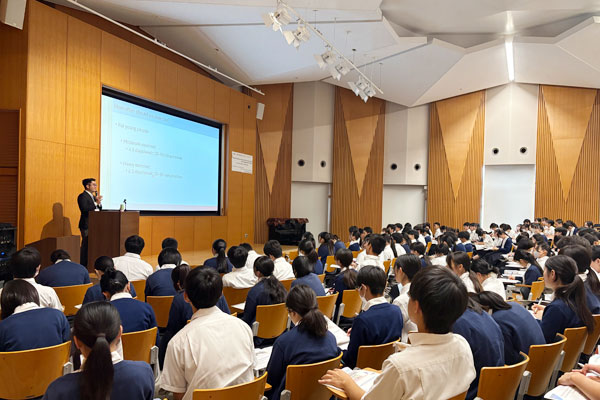
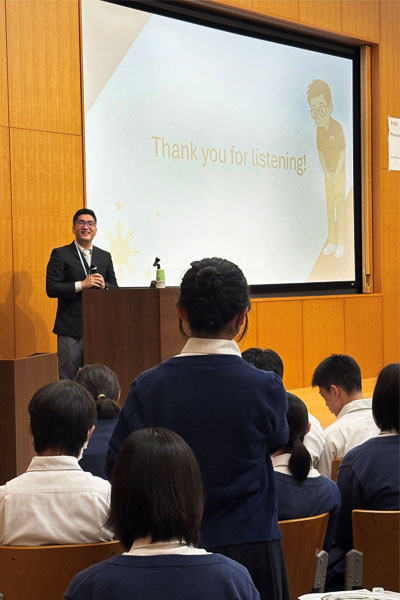
23 June 2026 – Takatsuki High School
My name is Christopher Cayco. I have a bachelor’s and master’s degree in physical therapy from the Philippines. I am currently a PhD student in Professor Kamide’s laboratory. I would like to thank Takatsuki High School for this opportunity to share my experience working as a physical therapist and researcher in the Philippines with the students. I would also like to thank Mr. Takayuki Yokoyama for coordinating and planning with us. And of course, I would like to thank Prof. Kamide and Asst.Prof. Kobayashi for their support and guidance in developing the lecture materials.
The theme of my short presentation was the role of physical therapy and exercise in the prevention and management of stroke. My research experience back in the Philippines was neurological rehabilitation focused on the older population. Specifically, exploring the effectiveness of low-cost and theory-based rehabilitation techniques on older adults with chronic stroke. My current research in Japan still focuses on promoting health and movement for older people. Due to the increase in the aging population and the health conditions that come with this, I was hopeful that the students would find the lecture relevant and useful. I was accompanied by Asst.Prof. Kobayashi and Ms. Saya Terada, a PhD alumna from Prof. Kamide’s laboratory, and we arrived at the school before 10:30. We had the opportunity to meet the principal of Takatsuki High School, Mr. Kudo. He shared with us the brief background of the High School’s global programs and the institution’s objectives. It was inspiring to hear this and to be able to contribute to the growth of the students.
We then proceeded to the auditorium for the lecture. The lecture was attended by high school and junior high school students. After a kind introduction, I began my talk. I discussed the general functions of the brain and the general pathophysiology that happens during a stroke. I was able to also share and talk about my two homes: California, USA and the Philippines. I highlighted the differences in demographics, impact of stroke, and health insurance systems. Lastly, I wanted to end the lecture by talking about how beneficial exercise is for young people, and how they can start being more active. After my lecture we had the chance to answer questions from several students. It was amazing to hear the wide range of questions the students had. I think this reflected their interest and curiosity in the topic. Some students asked about exercise guidelines, the outcomes of a stroke, and even the challenges of rehabilitation and healthcare. I left the lecture hall hopeful that some students were motivated to pursue careers and research in healthcare in the future. I hope that this experience also inspired them to be global leaders and explore the world.
Special Lecture Co-hosted by Geriatric Nursing Laboratory Summer Program & International Exchange Center
"End-of-Life Care: Caring for Meaning at the End of Life – Perspectives from Chaplaincy and Practice"
Thursday, June 18, 2026
A special lecture and workshop entitled "End-of-Life Care: Caring for Meaning at the End of Life – Perspectives from Chaplaincy and Practice" was held in the Main Conference Room on the third floor of the Division of Health Sciences. The event was organized as part of the annual Summer Program for sister universities (Mahidol University (Thailand), Taipei Medical University and Tzu Chi University (Taiwan)) hosted by the Geriatric Nursing Laboratory of the Division of Nursing Science and co-hosted by the International Exchange Center.
The workshop featured Kazuhiro Sekino, a Lutheran pastor and chaplain based in Minnesota, USA, as the invited speaker. He shared insights into end-of-life care from the perspectives of chaplaincy and practice. The entire program was conducted in English and brought together a diverse audience, including Summer Program participants, graduate students, faculty and staff members of our university, as well as participants from outside the university.
Rather than viewing end-of-life care simply as medical treatment provided in the final stage of life, the lecture encouraged participants to consider its broader significance: how to support a person's view of life, preserve dignity, and foster meaningful relationships at the end of life. Through numerous examples from clinical practice, the speaker highlighted the importance of collaboration among medicine, nursing, and spiritual care in supporting patients and their families. Participants gained a deeper understanding of interdisciplinary teamwork and the essential role of chaplains within healthcare settings.
The workshop also included interactive group discussions and exchanges of ideas among participants. Drawing on their diverse professional backgrounds and experiences, attendees engaged in lively conversations on topics such as “What constitutes meaningful care?” and “How can healthcare professionals respect the values and preferences of patients and their families?” These discussions provided a valuable opportunity for participants to reflect on their own perspectives on caregiving and their professional roles, while fostering a deeper appreciation of person-centered end-of-life care.

Special Lecture Announcement

A scene from the Lecture

Group photo after the lecture
Summer Program 2026 Hosted by Gerontological Nursing Lab
15th – 26th June, 2026
The Department of Gerontological Nursing celebrated the 10th anniversary of its two-week Summer Program this year. A total of 11 graduate students from three universities in Taiwan and Thailand participated in the program, which was organized under the theme, “Redesigning Care: Technology, Community, and Human Experience.” Through a combination of lectures, workshops, site visits, and group discussions, participants explored a wide range of topics related to aging and long-term care.
The program provided valuable opportunities for participants to deepen their understanding of elderly care in Japan, the Community-Based Integrated Care System, dementia care, end-of-life care, and emerging technologies in healthcare and long-term care. Through discussions and exchanges with fellow participants from different countries, they also gained new perspectives on the challenges and opportunities facing aging societies around the world.
The program was equally meaningful for approximately 20 student assistants from the Department of Gerontological Nursing who supported its operation. Through close interaction with international participants, the student assistants broadened their understanding of diverse cultures and values, strengthened their communication skills, and gained new insights for their research activities. The experience also encouraged them to reflect on their own research interests and future careers from a more global perspective.
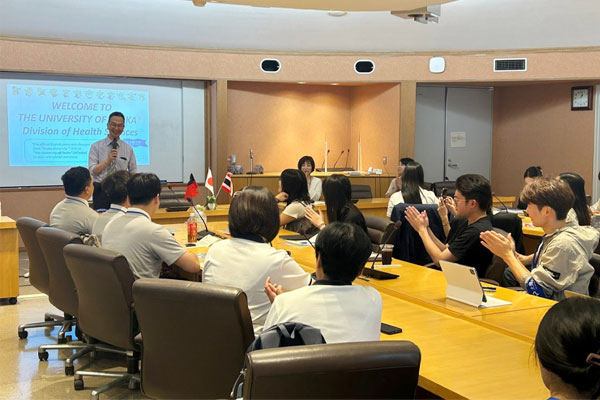
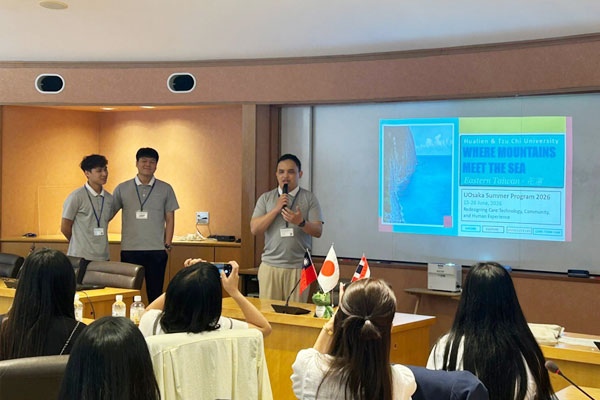
Opening Ceremony
Comments from exchange students:

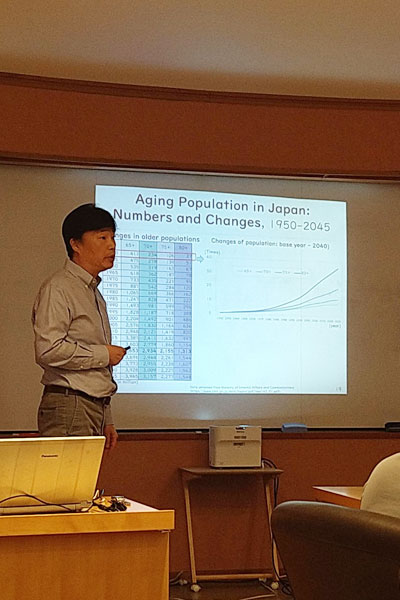
Exploring Technology's Role in an Aging Society
Through this lecture, I learned how Japan is responding to the challenges of a super-aged society. I was particularly impressed by the ways AI, smart sensors, and other technologies are being used to support older adults' independence and safety. Before attending the lecture, I tended to think of technology as something that might replace human care, but I came to understand that its true value lies in supporting relationships and improving the quality of care.
I was also introduced to the concept of aging in place, which helped me realize that healthy aging depends not only on healthcare services but also on supportive communities and social connections. Most importantly, the lecture encouraged me to think about aging from the perspective of older adults themselves.

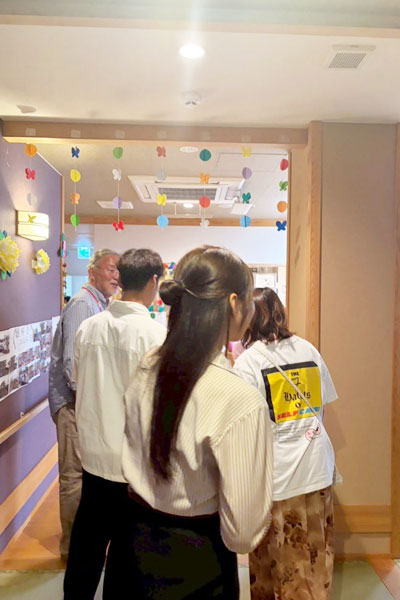
Learning from Community-Based Support Systems
Through visits to the Community Comprehensive Support Center and Shion Gakuen, I gained a deeper understanding of how community-based support is organized in Japan. I was impressed that these services extend beyond older adults to include children, families, and people experiencing mental health challenges. One of the most memorable aspects was seeing a kindergarten and an elderly care facility operating under the same roof, creating natural opportunities for interaction between generations.
The visit reminded me that older adults are not only recipients of care but also valued members of society who continue to have important roles to play. Seeing different organizations work together to support people throughout every stage of life gave me new ideas about how communities can promote inclusion and well-being.

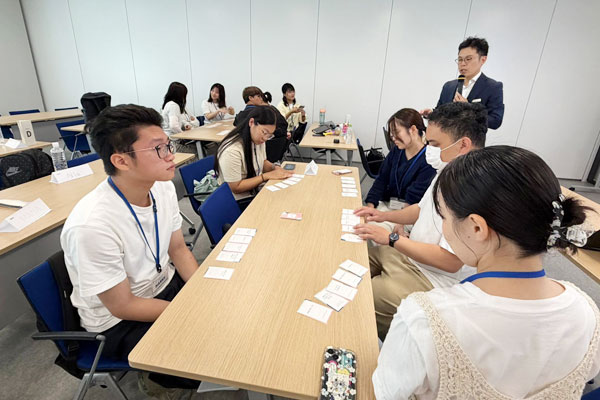
Reflecting on Life Values and Advance Care Planning
The Moshi-bana Game gave me an opportunity to reflect on what truly matters in my life. Although conversations about death are often difficult to start, the workshop created a comfortable environment where I could think about my values, priorities, and wishes for the future. As I made choices under different scenarios, I realized that my priorities could change depending on the situation, which helped me better understand the importance of Advance Care Planning.
The experience showed me that discussing end-of-life preferences is not only about preparing for death but also about respecting individual values and reducing uncertainty for families and healthcare professionals. Most importantly, it reminded me that person-centered care begins with listening to what matters most to each individual.

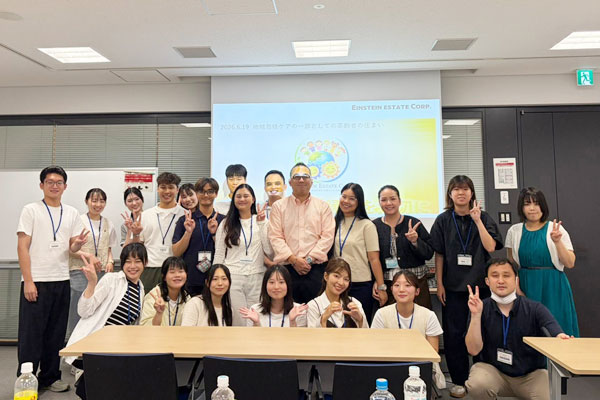
Understanding the Role of Housing in Community-Based Integrated Care
This workshop helped me understand that housing is much more than a place to live—it is a foundation for health, independence, and quality of life. Before the session, I tended to think about aging mainly from a healthcare perspective, but I came to realize that living environments, community design, and social connections are equally important for supporting older adults.
Through discussions with participants from Japan, Taiwan, and Thailand, I also learned that many communities face similar challenges, including increasing numbers of older adults living alone and shortages of caregivers. One message that stayed with me was the importance of maintaining human connections. The workshop encouraged me to think about how different sectors and community members can work together to create environments where people can continue living safely and meaningfully in familiar communities.

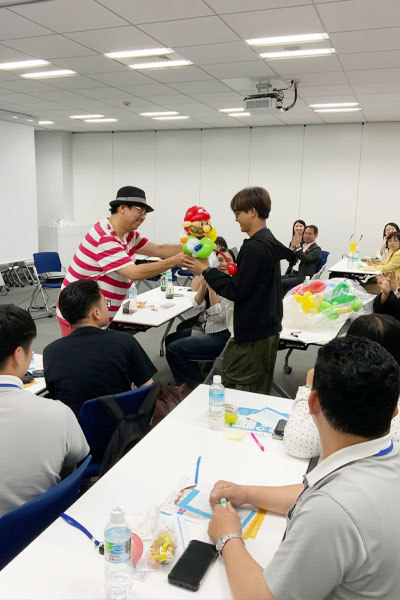
Exploring How Technology Can Connect People and Communities
My visit to Ricoh Osaka showed me how digital transformation and innovation can improve both workplace environments and community services. I learned that innovation is not only about developing new technologies but also about creating better ways for people to communicate, collaborate, and work together. I was particularly impressed by the company's flexible work culture and its emphasis on employee well-being.
The visit also helped me understand how technology can support healthcare and long-term care by handling routine tasks and information management, allowing professionals to focus on the human aspects of care. Through this experience, I gained a new perspective on the important role that private companies can play in addressing the challenges of an aging society.

Comments from UOsaka assistants:
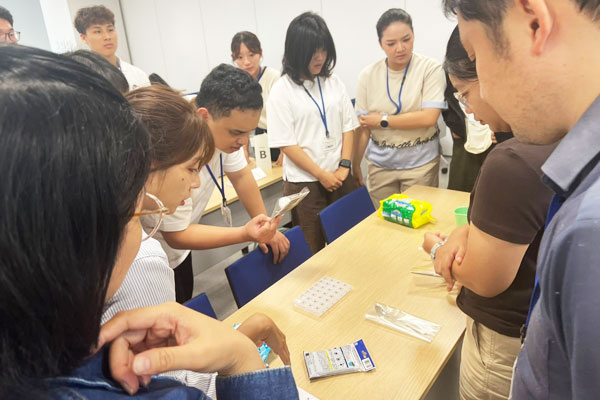
Through interactions with trainees from Thailand and Taiwan, I gained new perspectives on healthcare systems, social welfare, family relationships, and cultural values in different countries. At the same time, I realized that many challenges, such as population aging and building inclusive communities, are shared across national borders.
Exchanging ideas with people from different backgrounds encouraged me to reexamine assumptions I had taken for granted and helped me appreciate the importance of respecting diversity while working toward common goals.
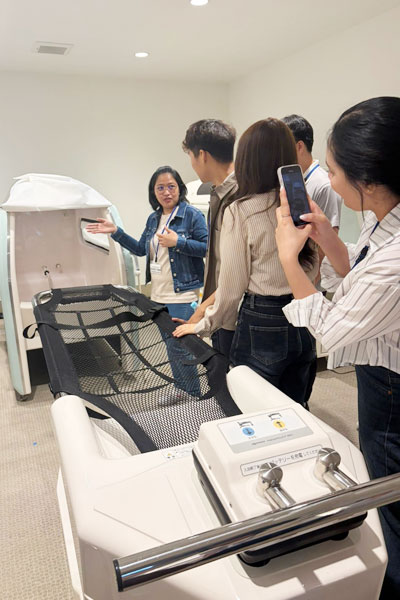
Throughout the two-week program, I learned that effective communication depends not only on language proficiency but also on a willingness to express oneself and to understand others. Although I sometimes struggled to explain specialized topics in English, I found that simple language, gestures, and active listening often helped bridge communication gaps.
This experience strengthened my confidence in communicating across cultures and motivated me to continue improving my language skills for future international collaboration.

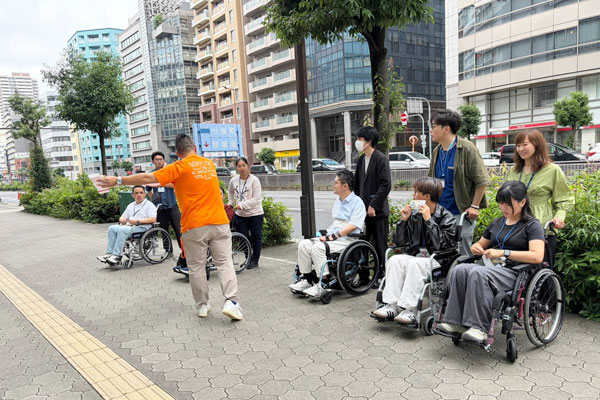
The lectures, site visits, and discussions with international participants encouraged me to view my research from a broader perspective. While many countries face similar challenges related to aging societies, different cultural and institutional contexts have led to diverse approaches and solutions.
The program inspired me to think more critically about the roles of technology, community networks, and social connections in supporting older adults, while also highlighting the importance of incorporating international perspectives into future research.

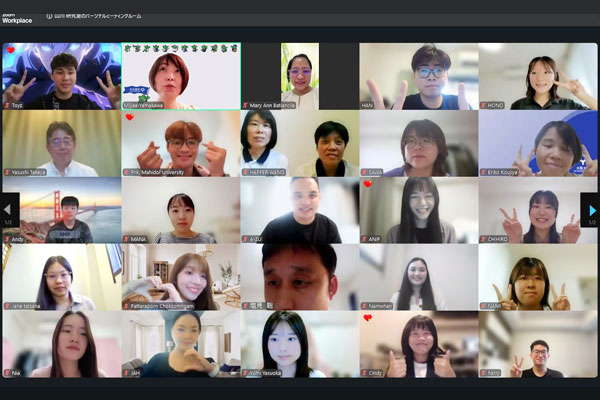
Closing Ceremony
Visit by the Vice President of the University of Bremen Marks Further Strengthening of Collaboration
May 28, 2026
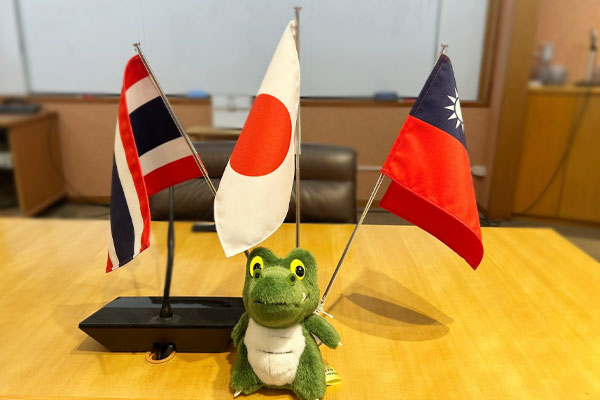
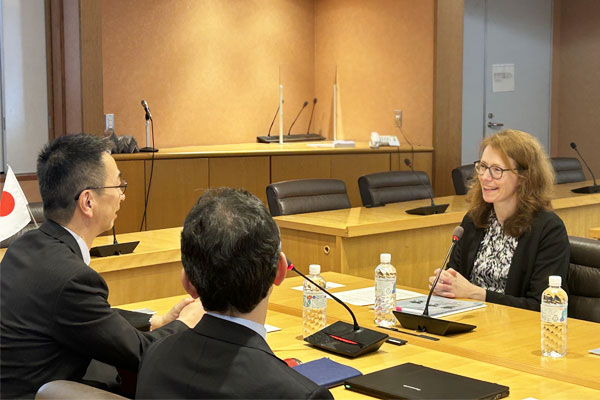
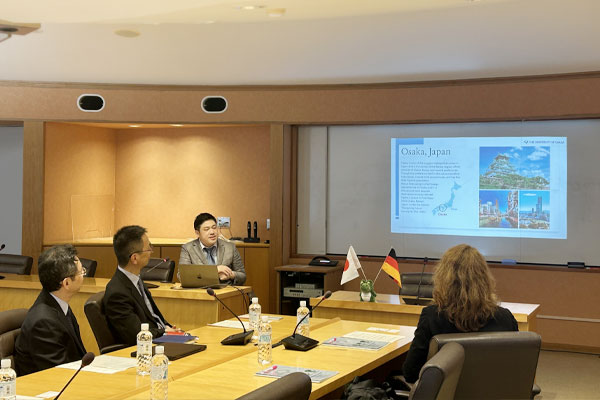
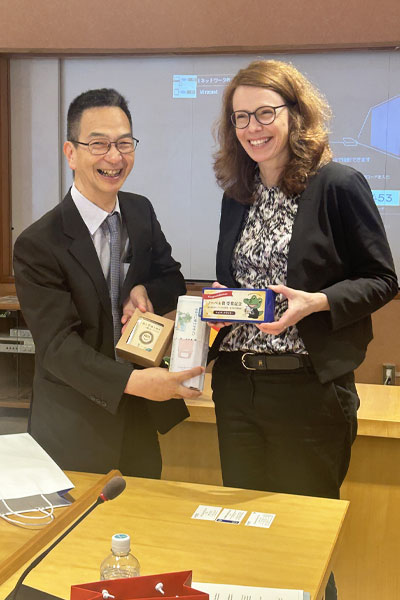
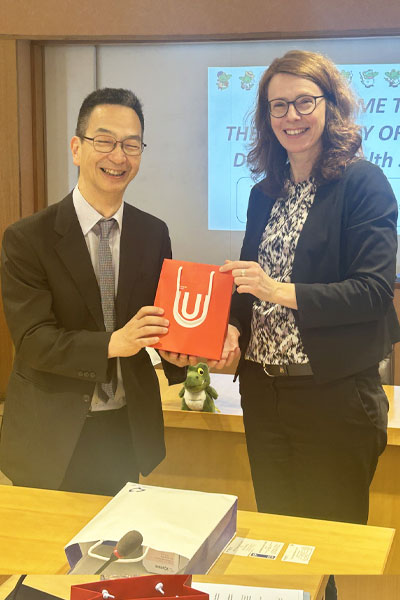
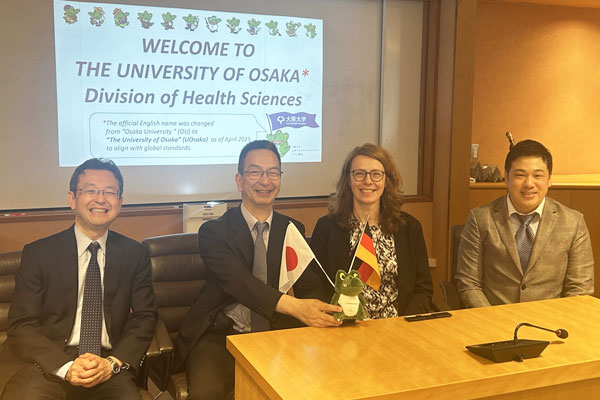
Professor Mandy Boehnke, Vice President of the University of Bremen, paid a courtesy visit to our university.
The University of Bremen has concluded academic exchange agreements with several divisions of our university, and active collaboration between our Division of Health Sciences and the Faculty of Human and Health Sciences at the University of Bremen has been underway since October 2024.
The visit began with welcoming remarks in German by Professor Oji, Dean of the Division, followed by a review of previous exchanges and discussions on future collaboration. The meeting was conducted in a warm and friendly atmosphere, with active and productive exchanges of ideas.
In August, Associate Professor Minami, the Vice Director of our divisional International Exchange Center, and Professor Kamide, who serves as the contact person for this interdivisional exchange, are scheduled to visit the University of Bremen, where further concrete discussions on future cooperation will take place.
This news was featured on the website of University of Bremen, Faculty for Human and Health Sciences
https://www.uni-bremen.de/fb11/aktuelles > Kooperation mit der Universität OsakaSpring Internship Program for Third-Year Nursing Students from The University of Hong Kong and Mahidol University
April 20–May 16, 2026
Two third-year undergraduate nursing students from The University of Hong Kong and the Faculty of Nursing, Ramathibodi School of Nursing, Mahidol University for each completed a four-week internship program at The University of Osaka from April 20 (Monday) to May 16 (Friday), 2026.
The University of Osaka and The University of Hong Kong signed a Memorandum of Understanding (MOU) in 2018. Since then, faculty members, undergraduate students, and graduate students from The University of Osaka have actively participated in academic exchange programs organized by The University of Hong Kong, including the Hong Kong International Nursing Forum and short-term inbound exchange programs, fostering continuous academic collaboration between the two universities.
The University of Osaka also signed an MOU with the Faculty of Nursing, Ramathibodi School of Nursing, Mahidol University in 2022. Since then, nursing students from The University of Osaka have participated annually in training programs hosted by Mahidol University. In addition, Mahidol University has regularly organized short-term educational programs, typically lasting one to two weeks, to provide opportunities for its students—primarily graduate students—to learn about the Japanese healthcare system. Through these programs, the Nursing Major at The University of Osaka has welcomed visiting students several times each year, promoting active educational and academic exchange.
The internship program was organized and conducted by faculty members and graduate students representing all areas of the Nursing Major. Although the four-week program included Japan's Golden Week holidays, an intensive three-week training curriculum was carefully designed to provide participants with learning opportunities across the various nursing specialties.
On the final day of the program, a presentation session was held to share the students' learning outcomes. The participants delivered excellent presentations comparing the Japanese healthcare, nursing, and public health systems they had studied during the internship with those of Hong Kong and Thailand. Their presentations clearly demonstrated the knowledge and insights they had gained, and the internship proved to be a highly rewarding and enriching educational experience for all four nursing students.
Opening


University Introduction
Week 1 (Community Health)

Kobe Disaster Museum

Home Care Clinic

Nose Town
Week 2 (Maternity & Pediatrics)

Maternal Health Study

UOsaka Hospital

Children’s Clinic
Week 3 (Adults, Geriatrics & Psychiatry)

Group Work

Model House for Wheelchair Users

Active Aging Excercise
Closing


Report on Visit to the University of Oulu: Lectures, Research Exchange, and Strengthening International Collaboration
April 5-10 , 2026
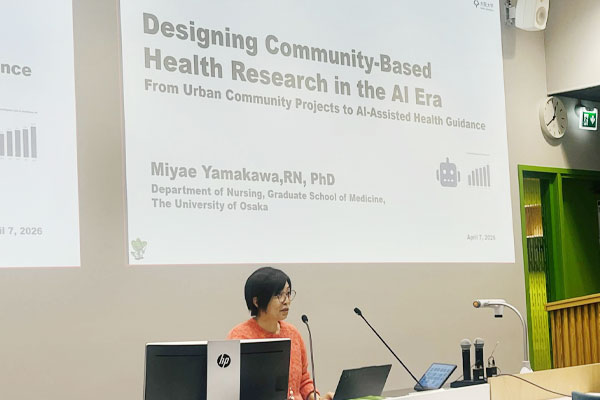
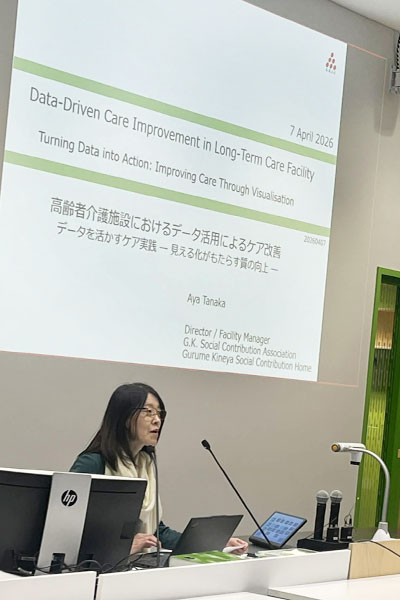
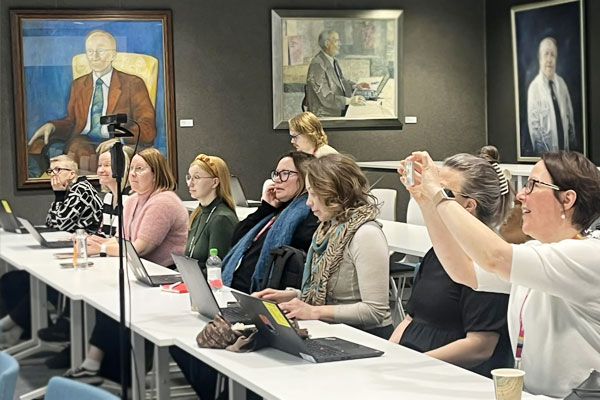
From April 5 to April 10, 2026, we visited the University of Oulu, where we delivered lectures to graduate students and engaged in academic exchange with local researchers. In addition to Associate Professor Miyae Yamakawa, Professor Aya Tanaka, a clinical professor at our university, also participated, sharing insights grounded in her daily educational and clinical practice.
During the lectures, we introduced gerontological nursing practices in Japan, as well as community-based care and the role of AI, while engaging in active discussions on similarities and differences between education and research in Finland and Japan. In particular, discussions from an international perspective on improving the quality of care provided a highly meaningful opportunity for both sides.
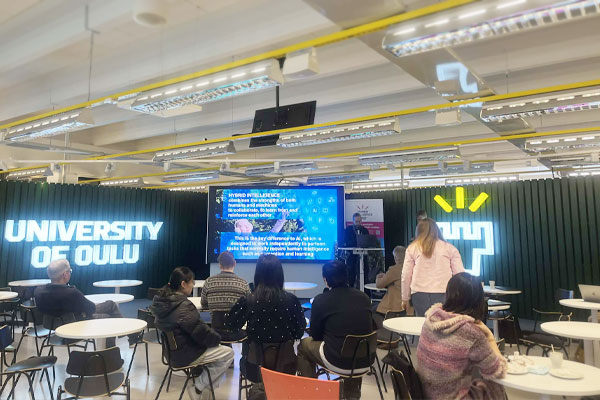
During the stay, we also participated in “HI Lights Seminar 4: Extended Human Mind & Multi-Realities,” where we were exposed to the latest research trends in hybrid intelligence. This experience offered valuable insights into the creation of new knowledge through collaboration between humans and technology.
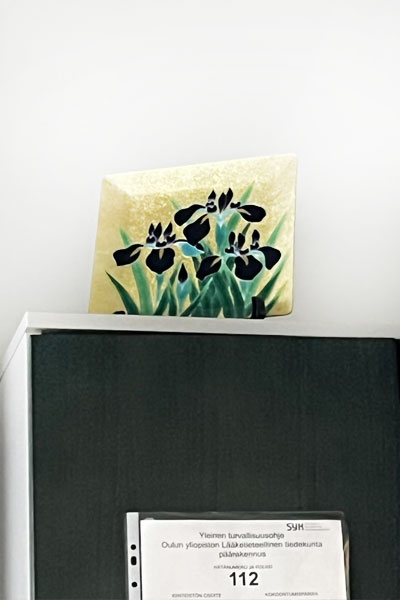
Another especially memorable moment was seeing that a souvenir brought during an exchange over ten years ago was still being carefully displayed. This served as a reminder that the longstanding relationship of trust and warm connection continues to be cherished, reaffirming the significance of ongoing collaboration between our university and the University of Oulu.
The knowledge and networks gained through this visit will be applied to our future educational and research activities, and we will continue to deepen our international collaboration.


Tel:06-6879-5111